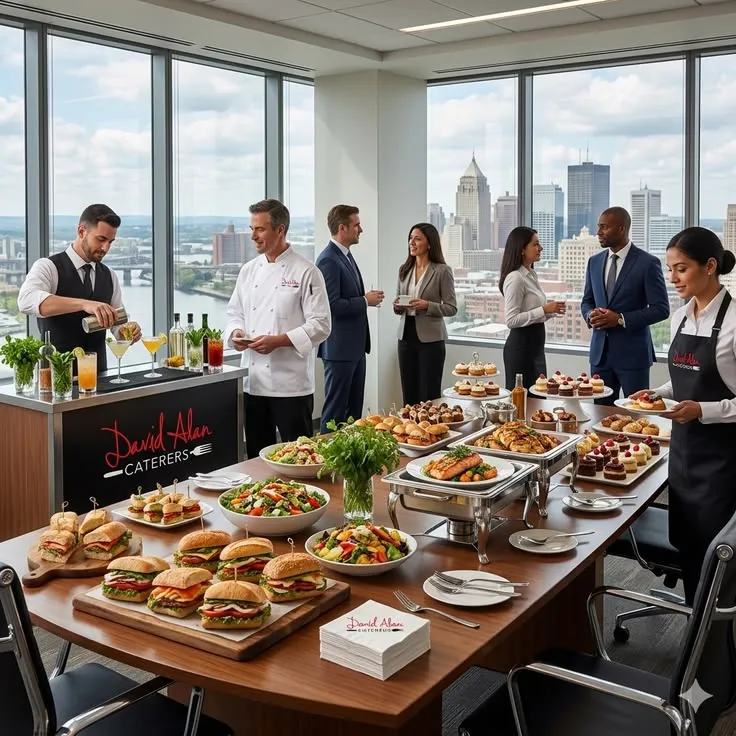
Food plays an important role in bringing people together, whether during a business meeting, family celebration, or neighborhood gathering. Chicago’s culinary landscape offers an impressive range of dining experiences shaped by different cultures and generations of food entrepreneurs. While exploring restaurants downtown chicago, many residents and visitors discover how the city’s hospitality industry balances professional dining experiences with neighborhood traditions. Beyond established dining districts, independent food businesses are creating meaningful connections through catering, customized menus, and community-focused services.
The growing interest in personalized dining reflects changing expectations. Customers increasingly value memorable experiences, authentic flavors, and businesses that understand the purpose behind every gathering.
Food Has Become Part of Event Planning
Organizing an event involves numerous decisions, but food often determines how guests remember the occasion. Whether planning a graduation party or professional conference, hosts must consider dietary requirements, serving arrangements, and menu variety.
A thoughtfully designed menu can establish the atmosphere of an event. Familiar comfort foods encourage relaxed interaction, while carefully presented small plates may complement a more formal gathering.
Successful food planning also requires realistic budgeting and coordination. Understanding guest numbers, delivery arrangements, and available facilities helps avoid unexpected complications on the event day.
Independent Caterers Bring Personal Creativity
Chicago’s independent food entrepreneurs contribute distinctive culinary perspectives to private events and professional gatherings. Their menus frequently reflect family traditions, regional influences, and personal cooking experiences.
Businesses offering black owned catering chicago services can introduce hosts to flavorful dishes while supporting greater diversity within the local hospitality industry.
Choosing a catering provider should involve evaluating food quality, experience, reliability, and communication. Reviewing sample menus and discussing practical requirements allows customers to identify businesses that match their expectations.
Corporate Dining Is Moving Beyond Routine Menus
Workplace gatherings have changed considerably as companies place greater emphasis on employee experiences and inclusive environments. Standardized lunch selections are increasingly complemented by varied menus and locally sourced options.
Partnering with neighborhood food businesses can introduce employees to different cuisines while creating commercial opportunities for independent operators.
Food can also encourage conversation between colleagues who rarely interact during ordinary working hours. Shared meals provide opportunities to develop professional relationships in a more relaxed environment.
Cultural Traditions Inspire Memorable Celebrations
Chicago’s diverse population has influenced how residents approach celebrations. Weddings, birthdays, reunions, and religious or cultural gatherings often include foods that represent family histories and shared traditions.
For some families, a familiar recipe carries emotional significance that cannot be replaced by elaborate presentation. Preserving those flavors allows younger generations to remain connected with their heritage.
Other hosts prefer combining traditional dishes with contemporary options. This flexibility makes it possible to accommodate different tastes without losing the cultural character of an occasion.
Hospitality Businesses Strengthen Local Economies
Independent restaurants and catering companies contribute to local economic activity through employment, supplier relationships, and neighborhood spending.
A successful catering operation may create opportunities for chefs, delivery workers, event coordinators, and administrative professionals. Local ingredient suppliers and equipment providers can also benefit from continuing business relationships.
However, hospitality entrepreneurs must manage demanding operating costs, fluctuating customer demand, and staffing challenges. Consistent community support can help sustain businesses while encouraging new entrepreneurs to enter the industry.
What Hosts Should Ask Before Booking
Selecting a catering company requires more than comparing menu prices. Hosts should confirm whether quoted costs include staffing, transportation, equipment, service charges, and cleanup.
Food safety practices and dietary accommodations also deserve attention. Clear communication about allergies, ingredient restrictions, and preparation arrangements can prevent misunderstandings.
Requesting written details helps both parties establish expectations. Booking timelines, payment schedules, cancellation policies, and contingency arrangements should be discussed before making a final commitment.
Why Personal Service Still Makes a Difference
Technology has simplified ordering, payment, and event coordination, but personal communication remains important in hospitality.
A caterer who understands the occasion can suggest practical menu adjustments, anticipate service challenges, and recommend appropriate serving arrangements.
This attention becomes especially valuable during events involving mixed age groups, unfamiliar venues, or complicated schedules. Thoughtful preparation allows hosts to spend more time engaging with guests rather than managing logistical concerns.
Conclusion
Chicago’s food industry continues to evolve as independent entrepreneurs bring creativity, cultural knowledge, and personalized hospitality to restaurants and catered events. From workplace lunches to family celebrations, thoughtful food choices can strengthen relationships and create memorable experiences. Supporting local businesses also encourages a more diverse culinary marketplace. Readers interested in discovering Chicago’s Black-owned restaurants and exploring the people behind the city’s distinctive dining culture can find additional stories and recommendations through bfacollective.com.