A children’s party can become stressful when every task is left for the final hour. Decorations, food, games, photos, gifts, and cleanup all compete for attention, even when the event itself lasts only a few hours. Parents comparing party styling services near me can make better decisions by creating a simple timeline before choosing every decorative detail. The most useful schedule is not a minute-by-minute plan. It is a sequence that gives setup enough time, keeps children engaged, and prevents the host from rearranging the room while guests are already arriving.
Work Backward From Guest Arrival
Start with the time invitations give guests, then work backward. Ask when food needs to be ready, when rental pieces must be positioned, when balloons or backdrops should be finished, and when the host needs time to change or prepare personally.
Adding a buffer between setup and arrival is valuable. It gives time to handle a missing item, move furniture, or adjust the layout without creating a rushed atmosphere at the door.
Set Up the Largest Pieces First
Backdrops, low tables, sleepover structures, or larger props should be placed before small decorations. Their position affects walkways, seating, and where activities can happen.
Once the large pieces are fixed, smaller accents can be added around them. This prevents a carefully arranged dessert table from being moved later because a backdrop needs more space than expected.
Keep the First Activity Easy to Join
Guests rarely arrive at the same moment. A simple opening activity helps early arrivals stay occupied without forcing late guests to miss something important.
Coloring sheets, a small craft, building toys, or a casual play area can work well. Save structured games or group activities until most children have arrived.
Plan Photos Before the Room Gets Messy
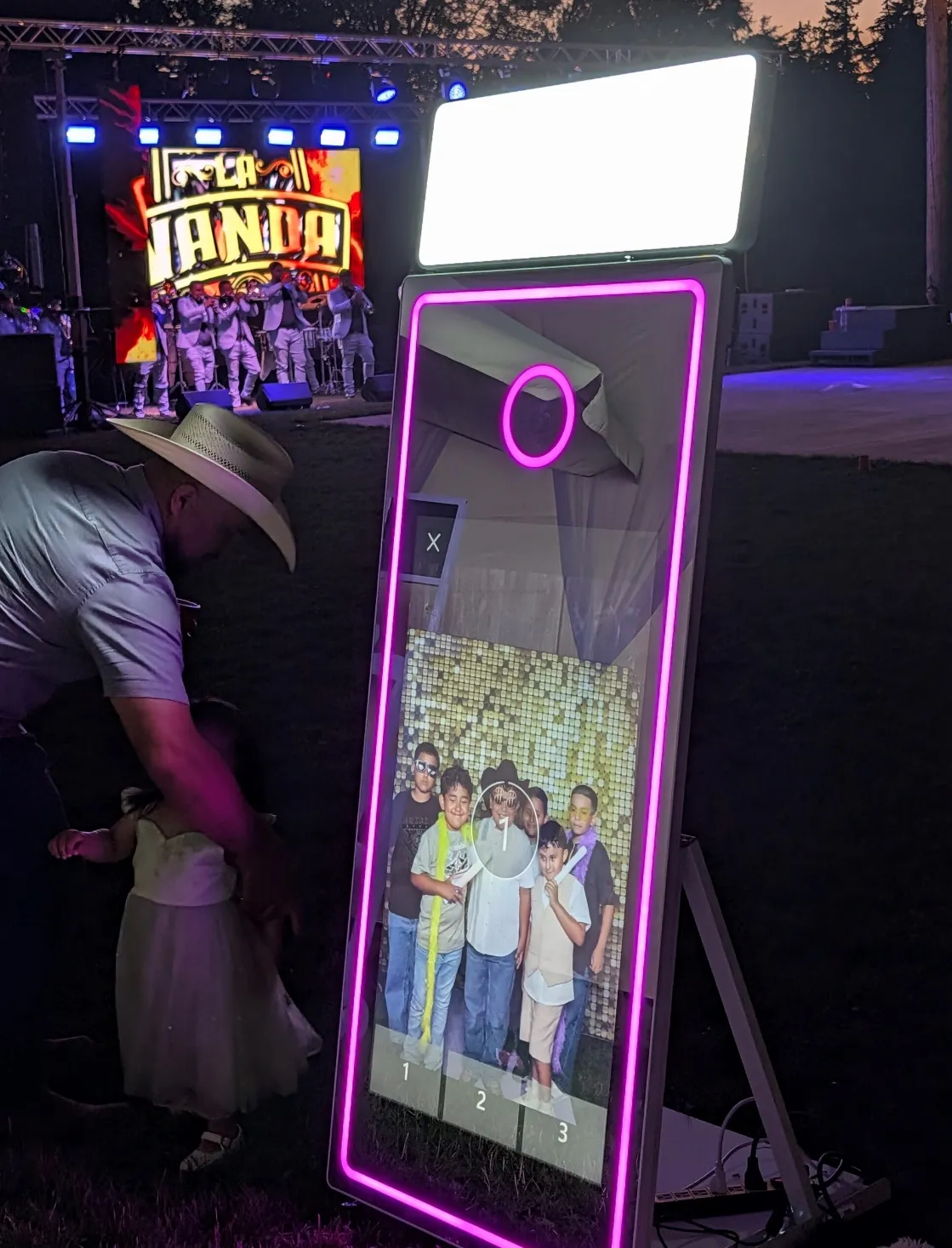
If a photo booth rental near me is part of the celebration, decide when guests are most likely to use it. A photo area can work well near the beginning, when decorations are intact and children are not yet tired, or later as a quieter activity between games and cake.
Avoid placing it where food lines or active games will block access. Leave enough standing space for small groups to pose comfortably.
Put Food at a Natural Break Point
Children often move through parties better when food follows an active activity. Games or outdoor play can lead into a meal or snack, followed by cake and a calmer period.
Serving food too early can leave the rest of the party without a natural transition. Serving too late may create tired or hungry guests.
The exact timing depends on the children’s ages and the event length.
Do Not Schedule Every Minute
A party needs room for spontaneous play. Children may become absorbed in an activity or spend longer than expected talking and exploring the setup.
Leave short flexible periods rather than forcing the group to move immediately from one item to another. A schedule should guide the host, not make the party feel like a classroom timetable.
Create a Gift Plan
Decide whether gifts will be opened during the party or later. Opening them can be a meaningful activity, but it also takes time and can create packaging clutter.
If gifts will remain unopened, create a designated area where they can be placed safely without blocking the entrance or activity space.
Begin Cleanup Before the Final Guest Leaves
Cleanup does not need to wait until the room is empty. Empty cups, food packaging, and used craft supplies can be cleared gradually during quieter moments.
Keep trash bags, storage bins, and containers ready but out of sight. This makes the final reset less overwhelming.
Protect the Last Fifteen Minutes
The end of a children’s party can become chaotic when parents arrive, children search for shoes, and favors are handed out simultaneously.
Create a simple pickup area for jackets, bags, and favors. A calm final activity can also help children transition from energetic play to departure.
Conclusion
A well-paced party feels easier because each stage supports the next. Large setup pieces go in first, simple activities welcome early guests, food creates a natural break, photos have a defined place, and cleanup happens gradually rather than all at once.
The goal is not a rigid schedule. It is to remove unnecessary decisions from the busiest moments of the day. When parents know what should happen before guests arrive, what can remain flexible, and how the party will end, they can spend more time participating in the celebration instead of constantly reorganizing it.